

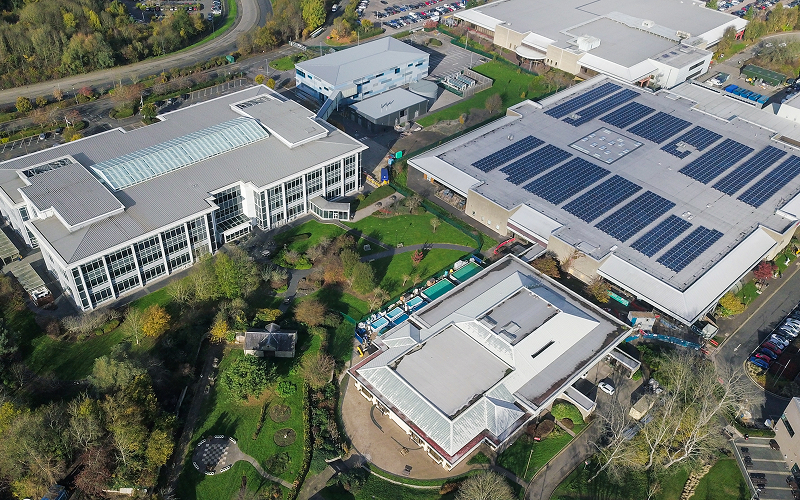
Solar power continues to support numerous households and businesses with access to electricity. With increasing awareness of environmental impact and rising energy costs, more property owners in Singapore are investing in renewable energy. Understanding how solar panels and installation work is essential before making the shift. From structural assessment to connecting with the electrical grid, each step plays a vital role in building a reliable and efficient solar system.
Site Inspection and Feasibility Study
Every installation begins with a site inspection. A solar panel installer visits the property to evaluate its suitability for solar panels. Roof direction, surface area, slope, and shading are relations. The installer also checks whether the roof is strong enough to carry the weight of the mounting systems and panels. This step ensures the system design matches the conditions and can meet the property’s energy goals.
Designing the Solar Energy System
After confirming feasibility, the installer develops a system design. Inverter selection is also part of the design. It’s important to use energy modelling tools during this stage to estimate potential output and long-term savings. Proper planning ensures the installation is tailored to the site and performs efficiently over time.
Applying for Permits and Grid Access
Before work can start, the installer applies for the required permits and approval from the local authorities and energy provider. This process includes submitting the design plan and structural specifications. All systems must meet national electrical and safety regulations. A professional solar panel installer handles these applications to avoid delays and ensure the system can be connected to the grid without issue.
Installing the Mounting System and Panels
Once all approvals are secured, the installation begins. The installer fixes mounting structures to the roof to support the panels. These mounts must be level and properly aligned to capture maximum sunlight throughout the day. After securing the mounts, the panels are positioned and attached. Correct installation is essential for long-term safety, weather resistance, and performance.
Wiring and Inverter Installation
Following the panel setup, the installer connects the electrical wiring. Solar panels produce direct current (DC), which needs to be converted into alternating current (AC) for household use. The inverter performs this conversion. It is connected to the system and then to the building’s main power supply. Proper wiring ensures safe energy flow and makes the system compatible with existing electrical infrastructure.
Learn More: Weighing the Pros and Cons of Using Solar Energy for Your Business
Grid Integration and Final Inspection
Once the system is complete, it must be connected to the local electricity grid. A two-way meter is installed to monitor electricity usage and export. This allows extra energy to flow back into the grid, reducing monthly utility bills through net metering. The energy provider performs a final inspection to verify that everything meets technical and safety standards before approving activation.
System Monitoring and Maintenance
After activation, regular monitoring helps track system performance. Many solar panels come with access to software that displays real-time data on energy production. Keeping the panels clean and scheduling annual maintenance checks helps maintain efficiency. If any technical issues arise, a qualified solar panel installer can carry out repairs or adjustments.
Long-Term Value and Sustainability
A well-installed solar system can operate for over two decades. In that time, property owners benefit from reduced electricity bills and a lower environmental footprint. The initial cost is typically recovered within several years, especially with incentives or rebates. Evaluating system output and long-term savings helps confirm that the investment supports both financial and environmental goals.
For more information about solar panels in Singapore, contact LHN Energy today.
