

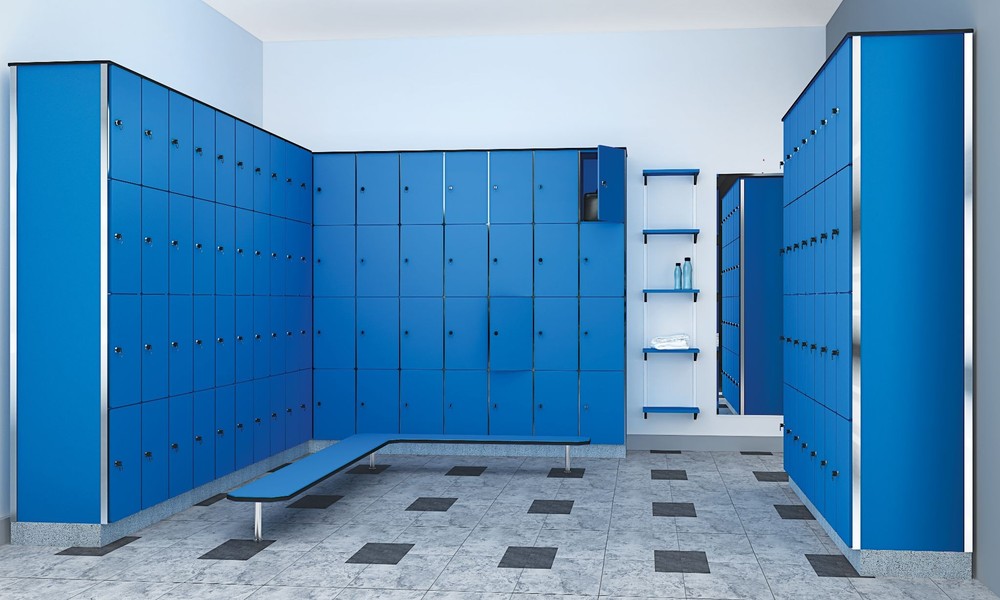
Workplace wellness programs that include fitness facilities, cycling commuter infrastructure, and active transportation incentives require locker storage systems that support the clothing and equipment storage needs of employees who exercise before, during, or after the workday. The specification of locker systems directly affects the usability of wellness amenities and the adoption rates of active transportation programs.
Commercial buildings that provide high-quality locker facilities alongside cycling infrastructure report 35 to 55 percent higher active commuter adoption rates than buildings with equivalent cycling infrastructure but inadequate locker facilities. Storage is the limiting constraint for active commuter adoption in many commercial environments.
What Locker Configuration Options Support Active Commuter Needs
Full-height lockers provide sufficient hanging space for business attire that cannot be folded without wrinkling, which is essential for professional-setting active commuters who change between exercise or cycling clothing and office attire. Half-height lockers, which are more space-efficient per installation footprint, cannot accommodate hanging garments and are appropriate primarily for valuables, equipment, and casual clothing storage.
Lockers with ventilation provisions, including perforated doors or dedicated ventilation openings, allow damp exercise clothing and equipment to dry between uses, reducing odor accumulation that is a common complaint in unventilated locker rooms. Ventilation is a quality-of-life feature that significantly affects user satisfaction with locker facilities.
How Smart Locker Technology Is Changing Commercial Locker Specification
Smart locker systems with digital access control, occupancy monitoring, and mobile app integration are increasingly specified in commercial wellness facilities, allowing unassigned day-use locker allocation, remote reservation, and integration with building access control systems. Specifying commercial storage solutions from manufacturers with smart locker product lines provides access to these technology features without sacrificing the structural durability and finish quality that commercial locker facilities require for long-term service.
What Material Options Are Available for Commercial Locker Construction
Cold-rolled steel with powder-coat finish is the standard material for commercial locker construction, providing a balance of structural rigidity, finish durability, and cost that makes it appropriate for most commercial applications. High-moisture environments including pool locker rooms require stainless steel or solid plastic alternatives at structural components that would be vulnerable to corrosion in steel construction.
How Locker Room Design Affects Wellness Program Participation
Locker room design elements including natural or high-quality artificial lighting, adequate mirror coverage, bench seating with appropriate placement relative to lockers, and clean, well-maintained finishes all affect the willingness of employees to use locker facilities and by extension, the adoption rates of associated wellness programs.
Commercial locker system specification for workplace wellness programs requires attention to configuration, ventilation, technology integration, material durability, and the broader locker room environment that together determine whether the installation supports or limits wellness program participation. The investment in quality locker infrastructure is justified by the measurable wellness program adoption improvements it enables.
