
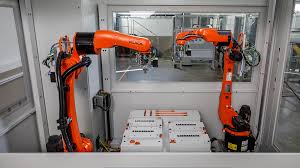
Now efficient manufacturing shapes modern energy storage production across competitive global markets. Battery factories chase stable output daily. Waste reduction protects margins and resources. Smart process design guides Battery Pack Assembly toward consistent yield and safer products. The goal remains simple and clear. Careful planning links material flow tooling discipline and skilled labor.
Strong Quality Control Foundations
Strong quality control starts every assembly shift. The inspection culture builds trust across operators’ engineers and supply partners. Defect signals appear early with vigilant checks. Sometimes simple gauges reveal alignment drift before major scrap develops. Clear standards guide every workstation action. The factory benefits when feedback loops move quickly between testing and assembly teams. Operators log issues with disciplined records. But root cause study must follow each repeated deviation. Early correction protects cells modules and housings. The result becomes stable throughput and calmer production floors. Quality habits reduce waste across shifts.
Efficient Tooling and Equipment
Efficient tooling drives predictable assembly speed. Well-designed fixtures hold modules steady during fastening bonding and inspection stages. Precise torque tools prevent joint failure. Now calibration routines keep measurement accuracy within tight manufacturing tolerance bands. Maintenance teams guard uptime with care. The plant saves energy when machines run smoothly without frequent restart cycles. Clean layouts support safe operator movement. Sometimes modular equipment allows quick changeovers for evolving pack formats. Good lighting improves visual inspection reliability. But cluttered stations slow motion and hide small component defects. Tool discipline builds confidence across lines.
Smart Production Scheduling
Smart scheduling balances labor materials and machines. The production calendar aligns supplier delivery windows with stable internal assembly rhythm. Short queues keep material fresh. So planners study demand signals and adjust takt pacing carefully. Idle stations waste capacity and patience. The balanced line spreads workload evenly across welding fastening testing and packaging tasks. Shift leaders review progress at intervals. Sometimes small schedule buffers absorb disruption from transport delays or rework cycles. Clear communication supports daily coordination. But sudden plan changes require rapid notice across logistics quality and assembly groups. Stable schedules raise overall yield.
Skilled Workforce and Training
Skilled people remain central to efficiency. The training program builds deep understanding of materials safety and precision assembly practice. Operators learn careful handling of cells. Now mentoring systems pair new staff with experienced technicians during early shifts. Confidence grows through repeated guided practice. The workforce notices subtle vibration heat and alignment changes during routine assembly work. Respectful culture supports attention and pride. Sometimes fatigue causes small errors that cascade into scrap and delay. Rest planning protects accuracy and morale. But strong leadership reinforces standards and celebrates disciplined workmanship daily. Skilled teams sustain high productivity.
Conclusion
The efficient plant treats waste reduction as constant operational philosophy. Leaders connect profit goals with sustainability. Now disciplined assembly practice protects materials energy time and workforce effort. Reliable packs strengthen market reputation. The customer receives durable storage systems built through stable controlled manufacturing steps. Factories gain resilience during demand shifts. Sometimes small process gains compound into major financial and environmental benefit. Continuous learning keeps improvement alive. But neglecting efficiency invites scrap delays safety risk and rising costs. Careful systems thinking guides every station. The future of energy manufacturing depends on disciplined efficient battery pack production.