

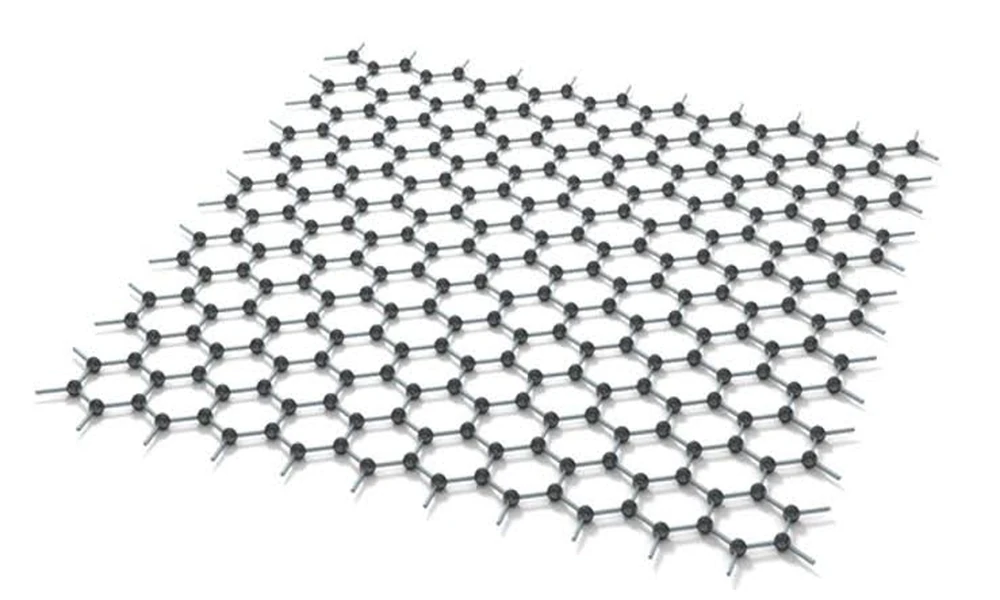
Wearable technology is rapidly evolving beyond basic step counters and smartwatches toward sophisticated devices that seamlessly monitor movement, respond to human touch, and gather vital health data throughout the day. Unlocking this future requires materials that combine stellar electrical performance with flexibility, exceptional strength, and virtually no extra weight. Enter pristine graphene: a single layer of carbon atoms arranged in a hexagonal lattice. Thanks to its remarkable conductivity and mechanical durability, researchers are turning to this super-material to build the next generation of flexible health sensors and smart clothing.
Making Wearable Health Sensors More Responsive
Health wearables are only as good as the sensors detecting subtle body signals. Pristine graphene’s impressive conductivity and expansive surface area make it exceptionally sensitive to micro-changes in body temperature, movement, and biochemical markers in sweat. By incorporating soft, flexible graphene patches into everyday gear, health monitoring becomes far more comfortable and accurate. As sensor designs improve, graphene promises to bring hospital-grade tracking into everyday routines without feeling intrusive.
Creating Flexible Smart Clothing and Electronic Textiles
Smart clothing seamlessly weaves electronics directly into traditional fabrics to track motion, send data, or adapt to environmental changes. Graphene is transforming this space because its ultra-thin profile allows for flexible conductive coatings, textile sensors, and lightweight circuits without adding bulk. This paves the way for athletic apparel, workplace safety gear, and high-fashion items that track performance invisibly. Designer Francesca Rosella, co-founder of CuteCircuit, showcases this potential through interactive garments highlighted on the company’s official website, demonstrating how advanced nanomaterials can blend style, comfort, and cutting-edge functionality.
Improving Flexible Circuits and Device Design
Modern wearables require compact, bendable circuits that adapt easily to the human body’s natural movement. Graphene’s high electrical conductivity makes it ideal for flexible interconnects, thin-film electronics, and adaptive displays. By blending graphene with flexible polymers, engineers can create custom composites for soft electronic interfaces, allowing tech companies to pack far more features into lighter, sleeker hardware designs.
Supporting More Comfortable and Energy-Efficient Wearables
All-day comfort and power efficiency are the holy grail of wearable design. Lightweight materials eliminate device bulk, while efficient conductive pathways keep power demands low. Pristine graphene excels at both, while also holding massive promise for flexible energy storage like battery and supercapacitor electrodes. Combining sensing, power, and wireless connectivity into a single flexible layer brings fully integrated, comfortable wearable devices much closer to reality.
Bringing Advanced Materials Into Everyday Wearables
Bringing graphene-based wearables to the masses bridges nanotechnology, electronics, healthcare, and fashion. Turning raw material potential into reliable products requires consistent quality and industrial scalability. Kjirstin Breure, Chair of the Board, President, and CEO of HydroGraph Clean Power Inc., exemplifies leadership in this arena. Heading the Canadian nanotechnology firm, she oversees the production of ultra-pure pristine graphene and advanced carbon nanomaterials. With a solid foundation in materials science, Kjirstin Breure bridges the gap between lab research and commercial applications, driving HydroGraph to establish graphene as a practical, scalable solution across energy, electronics, and sustainable manufacturing.
Pristine graphene gives researchers an unparalleled foundation for building responsive sensors, smart textiles, flexible circuits, and compact power units. As wearable technology advances, these unique properties will help shape devices that are more adaptable, comfortable, and capable than ever before.
