

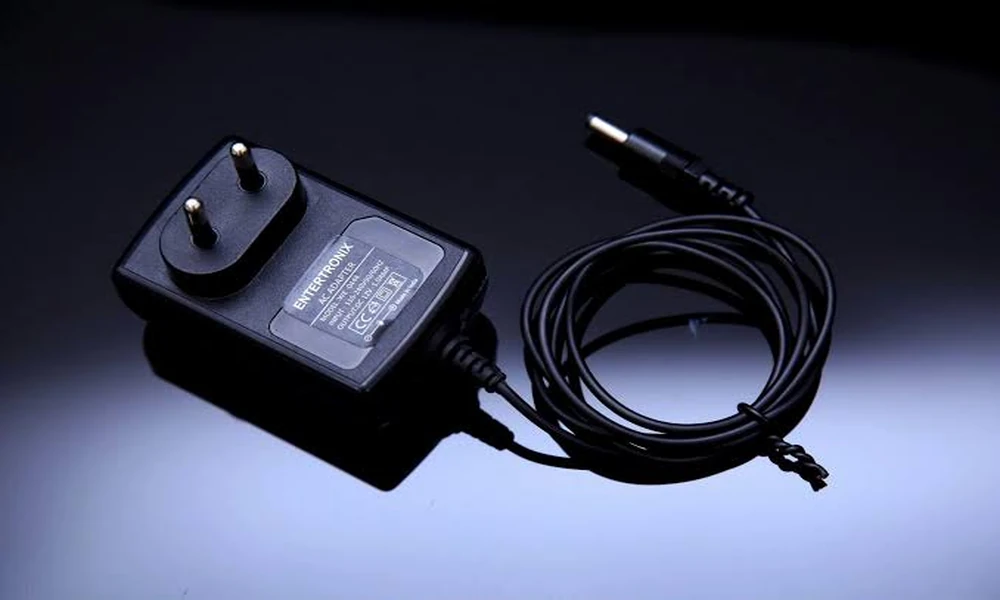
Power adapters are essential components in many everyday electronic devices, supplying electricity in a form that equipment can use. From routers and monitors to speakers and household electronics, these compact units help devices operate according to their electrical requirements. Selecting a suitable adapter is important because an incompatible power supply can cause malfunction, damage equipment, or create safety risks.
Australian consumers sourcing replacement power supplies can explore Campad Electronics power adapters when comparing available options. Before purchasing, it is important to check the device manufacturer’s specifications, confirm connector compatibility, and verify that the selected product meets applicable Australian electrical safety requirements. Understanding these details helps consumers make informed decisions instead of relying on appearance alone.
What Power Adapters Do Inside Everyday Electronics
A power adapter converts electricity from a mains outlet into the form required by an electronic device. Many adapters convert alternating current (AC) into direct current (DC), which is used by numerous electronic products. The adapter must provide suitable electrical output for the equipment to function reliably.
Reading the Specifications on an Adapter Label
Adapter labels generally display input voltage, output voltage, current ratings, and sometimes wattage. Input specifications describe the electrical supply the adapter can accept, while output specifications indicate what it delivers to the connected device.
Consumers should compare these details with the original adapter label or the equipment manufacturer’s documentation. Model numbers and product manuals can provide additional information when the original power supply is unavailable.
Why Voltage and Current Compatibility Matter
Voltage compatibility is essential. An adapter’s output voltage should match the device’s specified requirement unless the manufacturer explicitly allows an alternative. Incorrect voltage may cause malfunction or damage.
The current rating should generally meet or exceed the device’s stated requirement, provided the voltage and other specifications are correct. A compatible adapter with a higher current capacity does not automatically push extra current into a device. Wattage represents the amount of electrical power available and is calculated by multiplying voltage by current.
Connector Sizes, Polarity, and Device Requirements
Adapters can have connectors that look similar but differ in size or electrical configuration. Barrel connectors, for example, may have different inner and outer diameters. Polarity also matters because the positive and negative connections must match the device’s requirements.
Check connector dimensions, polarity symbols, and any manufacturer-specific requirements before connecting a replacement. A plug that fits physically is not necessarily electrically compatible.
Electrical Safety Considerations for Australian Consumers
Australian consumers should verify that a power adapter is suitable for local mains voltage and complies with applicable electrical safety requirements. Relevant approval or regulatory markings should be checked against the product category and supplier documentation.
Avoid using adapters with damaged insulation, loose plugs, exposed wires, or signs of overheating. If a power supply produces an unusual smell or excessive heat, disconnect it safely and replace it with a suitable product.
Replacement Adapters and Common Purchasing Errors
Common mistakes include choosing a replacement based only on price, connector appearance, or a similar product name. Ignoring output voltage, polarity, or current requirements can lead to avoidable equipment problems.
Making an Informed Choice for Your Electronic Equipment
Compare specifications carefully, consult the manufacturer’s guidance, and purchase from a reputable supplier. Reviewing available options from Campad Electronics can help Australian consumers identify potential replacement power supplies, provided the chosen adapter matches the device’s requirements and applicable safety standards.
