
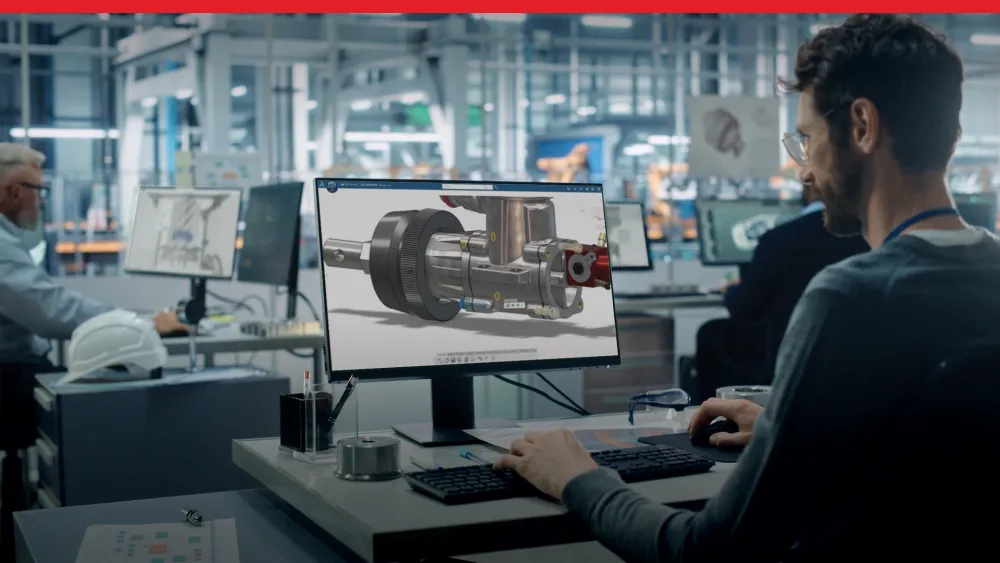
Manufacturing Challenges in a Competitive Market
Indonesia’s manufacturing sector is expanding rapidly, but companies face constant pressure to deliver products faster, reduce material waste, and ensure consistent quality. Traditional trial-and-error production methods often lead to high costs—especially when multiple prototypes are required. To address these challenges, many organizations are embracing digital engineering tools such as SolidWorks Simulation to improve decision-making and reduce expenses.
Virtual Testing Before Production
One of the most expensive stages of manufacturing is physical prototyping. Every redesign requires new materials, machining time, labor, and production delays. With aplikasi SolidWork, engineers can simulate stress, impact, heat transfer, vibration, and motion before a single part is produced. This helps teams identify design weaknesses, test material choices, and verify performance in a virtual environment.
By moving validation earlier in the design cycle, manufacturers can reduce the number of prototypes and catch errors before they reach the factory floor.
Optimizing Material Usage
Materials often account for a large portion of production costs. SolidWorks Simulation enables engineers to evaluate how different thicknesses, shapes, and materials perform. Instead of over-engineering components “just to be safe,” companies can use data-driven simulations to determine the optimal level of strength and durability.
This leads to leaner, lighter components that require less raw material—resulting in significant cost savings, especially in industries like automotive, furniture, and machinery.
Reducing Machine Downtime and Rework
Production delays caused by design changes or product failure can be devastating. SolidWorks Indonesia users gain the ability to evaluate manufacturability early, ensuring that components fit within machine capabilities and tolerances. Digital tests reveal whether certain parts will warp, crack, or deform under load—allowing adjustments before entering mass production.
Fewer failed runs mean less scrap, less downtime, and smoother operations.
Enhancing Design and Engineering Accuracy
Beyond cost reduction, simulation also improves engineering confidence. When decisions are backed by accurate virtual testing, companies can move from design to production faster and negotiate with suppliers more effectively. This accuracy leads to better relationships, consistent output, and long-term financial benefits.
A Smarter Path to Better Products
Reducing production costs does not require cutting corners—only using smarter tools. By integrating SolidWorks Simulation into daily workflows, Indonesian manufacturers gain a competitive advantage through efficiency, performance, and accuracy. SolidWorks Indonesia is helping reshape how products are tested, optimized, and delivered—empowering companies to grow sustainably in a demanding market.